
Hot flashes are one of the most common symptoms of perimenopause. For some women they show up a few times a week. For others they seem to appear out of nowhere throughout the day and night, disrupting sleep, concentration, and overall quality of life.
The good news is that there are several natural strategies that may help reduce both the frequency and intensity of hot flashes.
While no single solution works for everyone, many women find that a combination of lifestyle changes, dietary adjustments, and targeted supplements can make a noticeable difference.
In this guide, we’ll look at how to reduce hot flashes during perimenopause naturally and explore the approaches that are supported by research and real-world experience.
The Short Answer
If you want to reduce hot flashes during perimenopause naturally, focus on identifying triggers, keeping your bedroom cool, exercising regularly, managing stress, improving sleep quality, and considering evidence-based supplements such as magnesium or soy isoflavones.
Of course, many of these changes are easier said than done, especially when poor sleep, stress, and hormonal fluctuations are already affecting your daily life. The goal isn’t to do everything perfectly. Even a few small adjustments can make a meaningful difference over time.
The most effective natural strategies include:
- Identifying personal triggers
- Keeping your sleeping environment cool
- Exercising regularly
- Managing stress
- Improving sleep quality
- Eating more soy foods and whole foods
- Considering supplements such as magnesium
- Limiting alcohol if it worsens symptoms
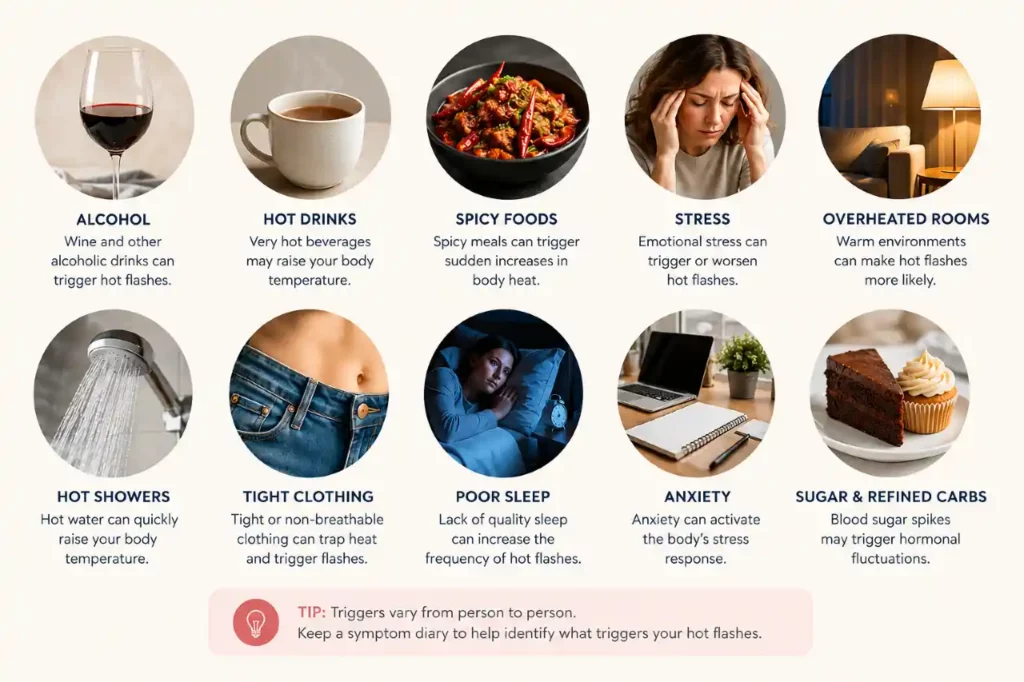
Why Hot Flashes Happen During Perimenopause
During perimenopause, estrogen levels become increasingly unpredictable. Rather than declining in a smooth, gradual way, hormone levels often fluctuate dramatically from month to month and sometimes even day to day.
These hormonal changes affect the body’s temperature regulation system, which is controlled by a small area of the brain called the hypothalamus.
As a result, your body may suddenly interpret normal body temperature as being too warm. When that happens, it reacts by trying to cool itself down through:
- Increased blood flow to the skin
- Sweating
- Flushing of the face, neck, and chest
- Rapid heartbeat
- Chills afterward
If you’re interested in the underlying causes, see our guide on What Causes Hot Flashes During Perimenopause.
How to Reduce Hot Flashes During Perimenopause Naturally
Many women can.
Natural approaches typically work best when hot flashes are mild to moderate. They may not eliminate symptoms entirely, but they can often reduce how often they occur and how disruptive they feel.
The most effective strategy is usually to address several contributing factors at the same time rather than searching for one perfect solution.
1. Identify and Avoid Your Personal Triggers
One of the simplest ways to reduce hot flashes is to identify what tends to trigger them.
Common triggers include:
- Alcohol
- Hot drinks
- Spicy foods
- Stress
- Anxiety
- Overheated rooms
- Hot showers
- Tight clothing
- Poor sleep
Not everyone reacts to the same triggers.
Keeping a simple symptom diary for a few weeks can help you identify patterns. You may notice that your hot flashes become worse after a glass of wine, during stressful workdays, or when your bedroom gets too warm.
Many women are surprised by how much improvement they see simply by avoiding their biggest triggers.
Focus on Patterns, Not Perfection
It’s important to remember that trigger management doesn’t have to be all or nothing. Many women notice that their sensitivity to certain triggers changes over time and may even fluctuate throughout their cycle during perimenopause.
You might find that a glass of wine, a spicy meal, or a late night has little effect most of the month, but becomes much more noticeable during periods when your hormones are shifting more dramatically. Rather than trying to eliminate every potential trigger permanently, focus on understanding your own patterns and making adjustments when symptoms are most active.
2. Keep Your Bedroom Cool
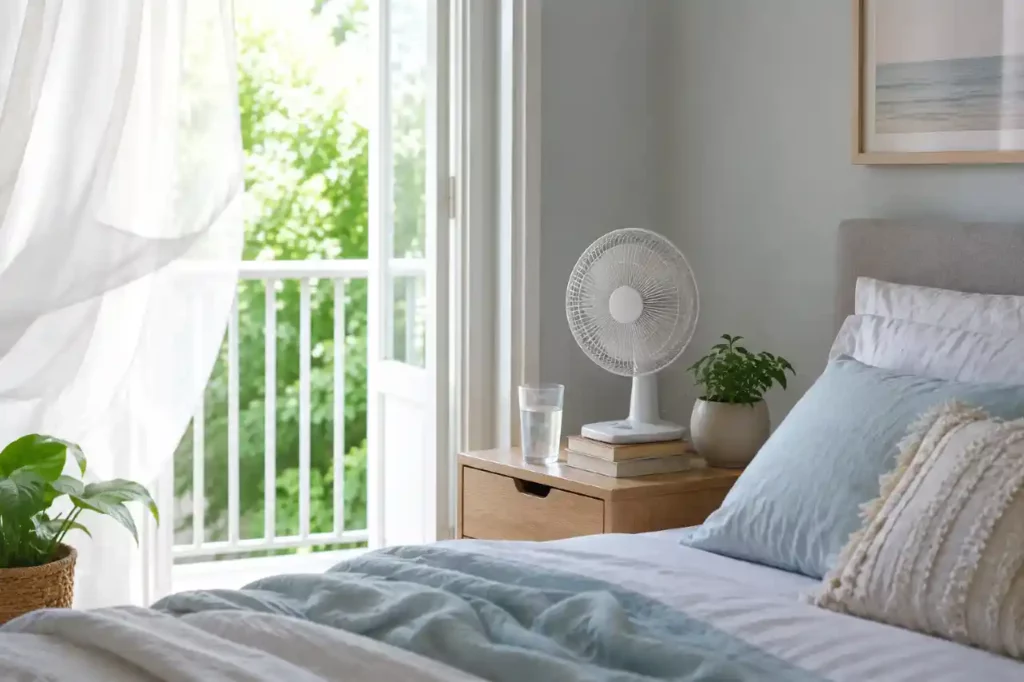
Nighttime hot flashes and night sweats can be particularly frustrating because they interrupt sleep and make it difficult to recover properly.
A cooler sleep environment may help reduce discomfort. Even small changes, such as lowering the room temperature by a few degrees or improving airflow, can make nighttime hot flashes feel less disruptive.
Consider:
- Lowering the room temperature
- Using breathable bedding
- Wearing lightweight sleepwear
- Using a bedside fan
- Keeping cold water nearby
If nighttime symptoms are your biggest challenge, our guides may be helpful:
- Night Sweats During Perimenopause: Causes and Solutions
- Best Cooling Sheets for Night Sweats
- Best Pajamas for Night Sweats During Perimenopause
3. Maintain a Healthy Weight
Research consistently shows that excess body fat is associated with more frequent and more severe hot flashes.
Body fat acts as insulation, making it harder for the body to regulate temperature effectively.
Even modest weight loss can sometimes improve symptoms.
This doesn’t mean pursuing extreme diets. Instead, focus on:
- Regular movement
- Balanced meals
- Adequate protein intake
- Consistent sleep
- Sustainable habits
Many women notice improvements in both hot flashes and overall energy levels when they adopt healthier lifestyle patterns.
4. Exercise Regularly
Exercise doesn’t necessarily stop hot flashes immediately, but it can improve many of the factors that contribute to them.
Benefits may include:
- Reduced stress
- Better sleep quality
- Improved mood
- Better weight management
- Enhanced cardiovascular health
Aim for a combination of:
Walking
Brisk walking is accessible and effective for most women.
Strength Training
Strength training helps support muscle mass and metabolic health during perimenopause.
Yoga and Stretching
Gentle movement may help reduce stress and improve overall wellbeing.
The best exercise routine is ultimately the one you can maintain consistently.

5. Manage Stress Levels
Stress and hot flashes often create a frustrating cycle.
Stress can trigger hot flashes, and frequent hot flashes can increase stress and anxiety.
Many women report that symptoms become noticeably worse during periods of emotional strain.
Stress-management techniques that may help include:
- Deep breathing exercises
- Meditation
- Yoga
- Time in nature
- Journaling
- Relaxation routines before bed
Some women also find that improving stress resilience helps reduce nighttime symptoms.
6. Improve Sleep Quality
Poor sleep and hot flashes often feed into each other.
Frequent nighttime awakenings can increase stress hormones, which may contribute to worsening symptoms over time.
Helpful sleep habits include:
- Going to bed at consistent times
- Limiting alcohol before bed
- Reducing screen exposure in the evening
- Keeping the bedroom cool
- Avoiding large meals late at night
If sleep disruption is a major issue, you may also benefit from our article on Why Are My Hot Flashes Worse at Night?
7. Eat More Foods That May Support Hormonal Balance
While no food can completely stop hot flashes, some research suggests that dietary patterns rich in plant foods and soy may be associated with fewer vasomotor symptoms in midlife women.
Focus on:
Soy Foods
Soy contains isoflavones, plant compounds that can have mild estrogen-like effects.
Examples include:
- Tofu
- Tempeh
- Edamame
- Soy milk
Fruits and Vegetables
These provide antioxidants and nutrients that support overall health.
Whole Grains
Whole grains may help stabilize energy levels and support metabolic health.
Healthy Fats
Sources include:
- Olive oil
- Avocados
- Nuts
- Seeds
For a more detailed breakdown, see our guide on Top Foods for Hot Flashes.
8. Consider Evidence-Based Supplements
Some supplements may help reduce hot flashes in certain women.
Results vary considerably, but the following options are commonly used.
Magnesium
Magnesium may help support sleep quality, stress management, and nervous system function.
Read more in our guide on Magnesium for Hot Flashes During Perimenopause.
Soy Isoflavones
Soy isoflavone supplements have been studied extensively for menopausal symptoms.
Some women report meaningful improvements, while others notice little change.
Red Clover
Red clover contains phytoestrogens that may help support hormonal comfort during menopause and perimenopause.
Black Cohosh
Black cohosh is one of the most researched herbal remedies for hot flashes, although study results remain mixed.
Before starting any supplement, it’s worth discussing it with your healthcare provider, particularly if you have existing medical conditions or take prescription medications.
For a full comparison of popular options, see Best Supplements for Hot Flashes During Perimenopause.
9. Limit Alcohol if It Triggers Symptoms
Alcohol is a common hot flash trigger.
Many women find that:
- Red wine worsens symptoms
- Evening alcohol increases night sweats
- Sleep quality declines after drinking
This doesn’t mean you must eliminate alcohol entirely.
However, if you frequently experience hot flashes after drinking, reducing intake may provide noticeable relief.
Try experimenting with alcohol-free days and track whether symptoms improve.
10. Practice Slow Deep Breathing
Some studies suggest that paced breathing may help reduce hot flash frequency in certain women.
A simple approach:
- Breathe in slowly through your nose for 4–5 seconds.
- Exhale slowly for 6–7 seconds.
- Continue for several minutes.
This technique may be especially useful when you feel a hot flash beginning.
While the effect is often modest, it’s free, safe, and easy to try.
When Natural Approaches May Not Be Enough
Natural strategies can be very effective for some women, but not everyone experiences sufficient relief.
If hot flashes are:
- Severe
- Occurring multiple times daily
- Significantly affecting sleep
- Impacting work or daily life
It may be worth speaking with a healthcare professional.
Options such as hormone replacement therapy (HRT) and newer non-hormonal treatments can provide substantial relief for many women.
Natural approaches and medical treatments are not mutually exclusive. Many women successfully combine both.
Frequently Asked Questions
How long does it take for natural remedies to reduce hot flashes?
Some changes, such as avoiding triggers or cooling the bedroom, may help immediately. Dietary changes and supplements often take several weeks before noticeable improvements occur.
What is the most effective natural treatment for hot flashes?
There is no universal answer, but many women find that a combination of trigger management, exercise, better sleep, and targeted supplements provides the greatest relief.
Does magnesium help hot flashes?
Magnesium may help some women, particularly if stress, sleep problems, or nervous system regulation are contributing factors. Evidence remains mixed, but it is commonly used during perimenopause.
Why are my hot flashes worse at night?
Hot flashes often feel worse at night because hormonal fluctuations can affect the body’s temperature regulation while you sleep. Factors such as a warm bedroom, alcohol, stress, and poor sleep can also make nighttime symptoms more noticeable and disruptive.
Do hot flashes eventually stop?
Yes. For most women, hot flashes become less frequent over time, although the duration varies considerably between individuals.
You can learn more in How Long Do Hot Flashes Last During Perimenopause?
Final Thoughts
If you’re wondering how to reduce hot flashes during perimenopause naturally, start with the basics: identify triggers, improve sleep, manage stress, stay active, and create a cooler environment.
Small changes often add up.
While there is no single solution that works for everyone, many women find that combining several natural strategies significantly reduces both the frequency and intensity of hot flashes. Over time, these adjustments can make daily life easier and help you feel more in control of your symptoms.
Affiliate Disclosure
Some of the articles linked from this guide may contain affiliate links. This means we may earn a small commission if you make a purchase through those links, at no additional cost to you. We only recommend products and supplements that we believe may be helpful for women navigating perimenopause.