
When hot flashes become a regular part of life, it’s natural to start looking for patterns. Some women notice symptoms seem worse after a glass of wine, a spicy meal, or too much caffeine. Others wonder whether certain foods might actually help.
While there is no single food that can eliminate hot flashes, research suggests that some dietary patterns may be associated with fewer symptoms. Certain foods may help support overall health, improve blood sugar stability, or provide plant compounds that interact with estrogen receptors in the body.
The key is to think of food as one part of a broader symptom-management strategy rather than a quick fix. Below, we’ll look at some of the top foods for hot flashes and why they may help.

Can Food Really Help Hot Flashes?
Research suggests that dietary patterns rich in plant foods may be associated with fewer hot flashes and night sweats.
This does not mean that a specific food will stop hot flashes overnight. However, dietary choices may influence factors such as inflammation, blood sugar regulation, body weight, and overall health, all of which can affect how severe symptoms are.
Results vary from person to person, but many women find that making gradual dietary changes is worth exploring.
Soy Foods
Soy is one of the most studied foods for menopausal symptoms.
Soy contains compounds called isoflavones, which are a type of phytoestrogen. Phytoestrogens are naturally occurring plant compounds that may have estrogen-like effects in the body.
Common soy foods include:
- Tofu
- Edamame
- Tempeh
- Soy milk
- Roasted soybeans
Some studies suggest that women who regularly consume soy foods experience fewer hot flashes, although results are not consistent across all research.
While many women focus on food first, others also explore supplements. You can read more in our guide to the best supplements for hot flashes during perimenopause.

Flaxseeds
Flaxseeds contain lignans, another type of phytoestrogen.
They are also rich in fiber and healthy fats, making them a nutritious addition to many diets.
Simple ways to include flaxseeds:
- Add ground flaxseed to oatmeal
- Mix into yogurt
- Blend into smoothies
- Sprinkle on salads
Many women choose flaxseed as part of an overall menopause-friendly eating pattern.
Legumes and Beans
Beans, lentils, and chickpeas provide fiber, protein, and plant nutrients that support overall health.
They can also help stabilize blood sugar levels, which some women find beneficial when managing symptoms.
Examples include:
- Lentils
- Black beans
- Chickpeas
- Kidney beans
- Split peas
Vegetables and Fruits
A diet rich in vegetables and fruits provides antioxidants, fiber, vitamins, and minerals that support overall wellbeing.
While no specific fruit or vegetable has been proven to eliminate hot flashes, many experts recommend focusing on:
- Leafy greens
- Broccoli
- Berries
- Citrus fruits
- Colorful vegetables
The goal is not perfection but consistency over time.
Whole Grains
Whole grains may help support more stable energy levels throughout the day.
Examples include:
- Oats
- Brown rice
- Quinoa
- Barley
- Whole wheat products
Some women find that balanced meals containing protein, fiber, and whole grains help reduce energy crashes and improve overall comfort.
Foods Some Women Choose to Limit
Certain foods and drinks are commonly reported as hot flash triggers.
Common examples include:
- Alcohol
- Very spicy foods
- Excess caffeine
- Large amounts of added sugar
Not everyone reacts the same way. Keeping a symptom journal for a few weeks can help identify personal triggers.
Learn more about common triggers in what causes hot flashes during perimenopause.
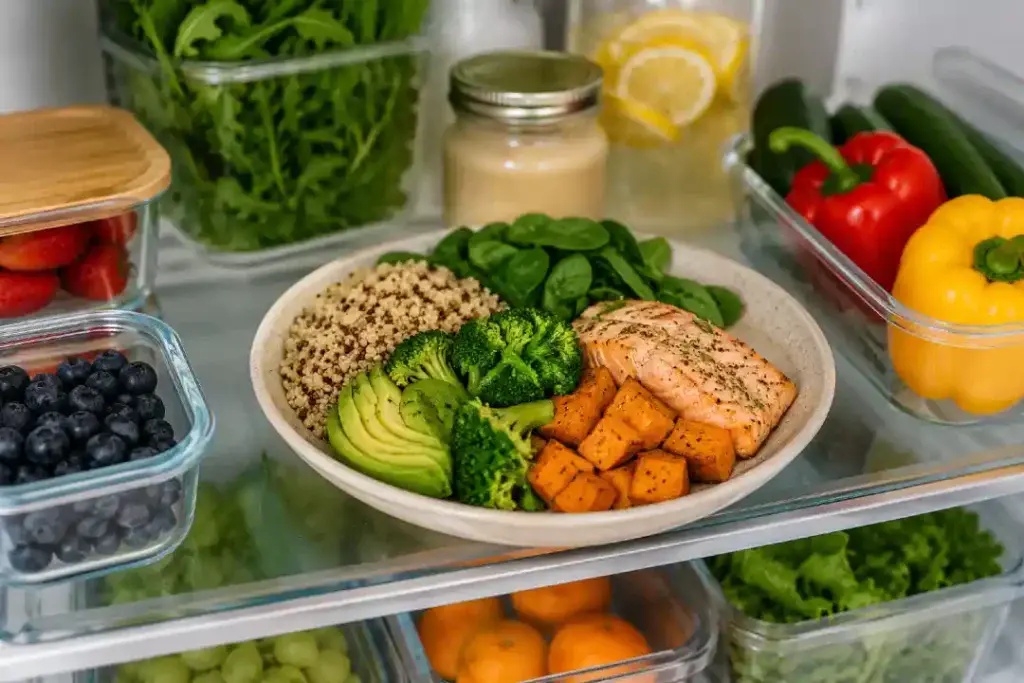
A Simple Meal Pattern That May Help
Rather than focusing on a single “superfood,” many experts recommend building meals around:
- Protein
- Fiber-rich carbohydrates
- Healthy fats
- Plenty of vegetables
For example:
Breakfast: Oatmeal with berries and ground flaxseed
Lunch: Lentil salad with vegetables
Dinner: Tofu stir-fry with brown rice and broccoli
Small, sustainable changes are often more helpful than restrictive diets.
Frequently Asked Questions
What is the best food for hot flashes?
There is no single best food. Soy foods, flaxseeds, legumes, fruits, vegetables, and whole grains are among the foods most commonly associated with symptom management.
Can soy reduce hot flashes?
Some studies suggest that soy isoflavones may help reduce hot flashes in some women, although results vary.
Do spicy foods cause hot flashes?
Spicy foods do not cause perimenopause hot flashes, but some women find that they trigger or intensify symptoms.
Can diet stop hot flashes completely?
No food has been proven to completely eliminate hot flashes. Diet may help reduce symptom severity as part of a broader management strategy.
Final Thoughts
No food can guarantee relief from hot flashes, but dietary choices may influence how symptoms feel for some women.
Foods such as soy, flaxseeds, legumes, fruits, vegetables, and whole grains are commonly recommended as part of a menopause-friendly eating pattern. The best approach is usually to focus on long-term habits rather than searching for a single food that will solve the problem.
Diet is just one part of the picture. For more strategies, see our guide on how to reduce hot flashes during perimenopause naturally.
Affiliate Disclosure
This article may contain affiliate links. If you purchase through these links, we may earn a small commission at no extra cost to you. This helps support the site and allows us to continue creating helpful content.