
It often starts subtly.
You go to bed at the same time as always, but something feels off. You’re more alert, your body doesn’t fully relax, and sleep doesn’t come as easily as it used to.
Hormonal changes, especially fluctuating estrogen and progesterone, can disrupt the body’s natural sleep rhythm and make restful sleep harder to maintain. This is where melatonin can help.
If you’re looking for the best melatonin for perimenopause sleep, the right dose and formula can make a noticeable difference. Many supplements on the market are either too strong or not designed for sensitive sleep patterns.
In this guide, we’ve reviewed the best melatonin supplements based on effectiveness, ingredients, and real-world use.
If you’re exploring other options as well, you can also read our guide to the best magnesium for sleep during perimenopause.

Quick Picks: Best Melatonin Supplements
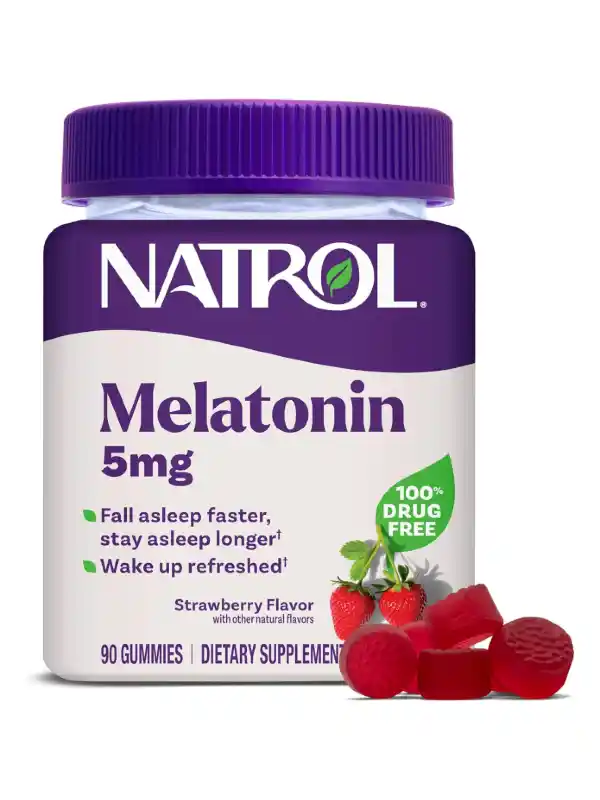
- Best Overall: Natrol Melatonin Fast Dissolve (5 mg)
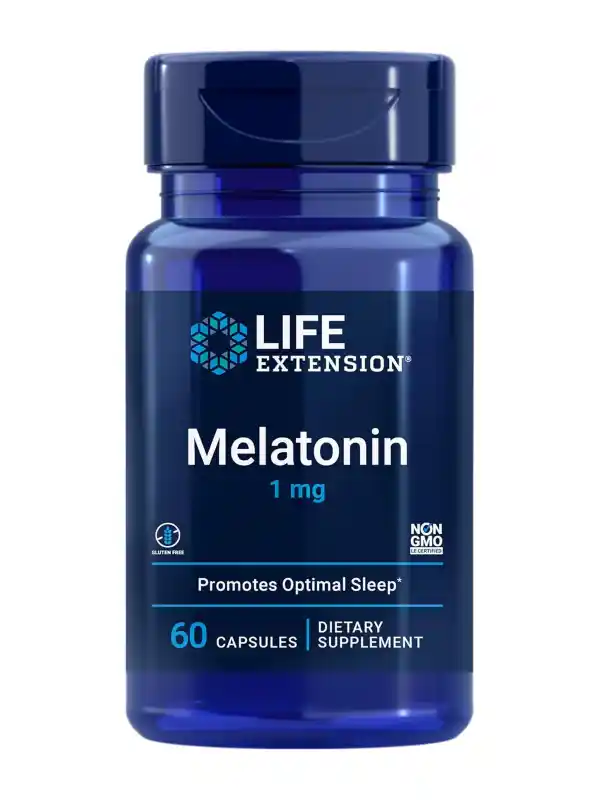
- Best Low Dose: Life Extension Melatonin (1 mg)
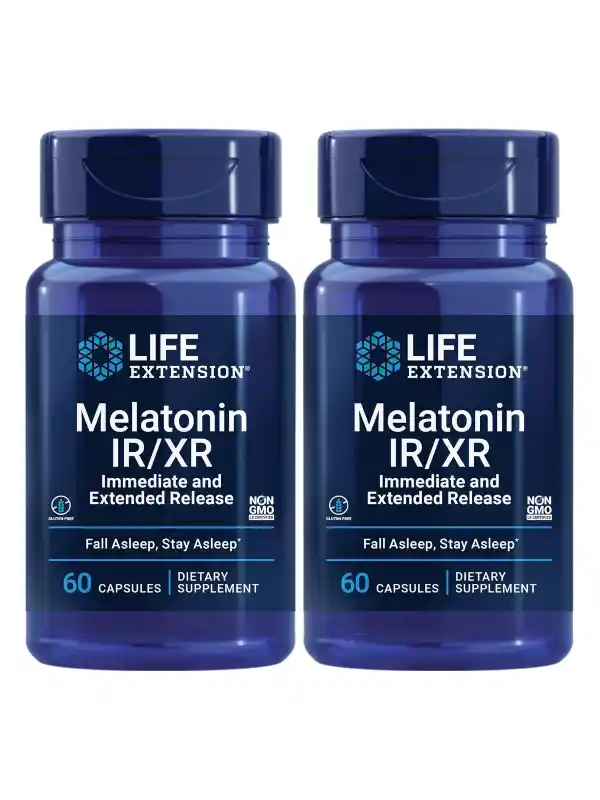
- Best for Staying Asleep: Life Extension Melatonin (Immediate + Extended Release)
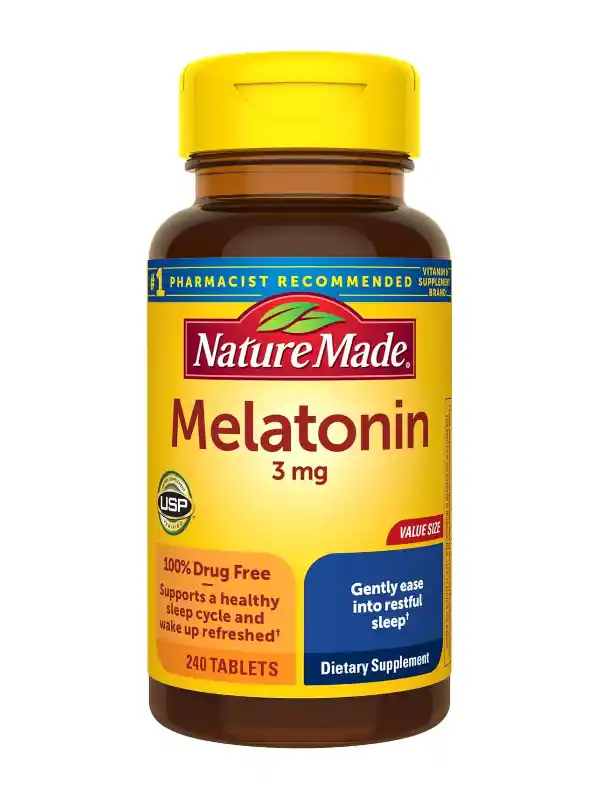
- Best Budget: Nature Made Melatonin (3 mg)
Best Melatonin Supplements Reviewed
Below, we’ve broken down each option in more detail, including what makes it stand out and who it’s best suited for.
1. Natrol Melatonin Fast Dissolve (5 mg)
Why it stands out
A fast-acting melatonin that dissolves quickly, making it easier to fall asleep without needing water.
Key ingredients
- Melatonin (5 mg)
- Natural flavors
Pros
- Works quickly
- Easy to take
- Widely available
Cons
- May be too strong for sensitive users
Best for
Falling asleep faster when your mind won’t settle
Check price on Amazon
2. Life Extension Melatonin (1 mg)
Why it stands out
A simple low-dose formula that offers gentle sleep support without feeling too heavy, making it a good choice if you’re sensitive to melatonin or want to avoid morning grogginess.
Key ingredients
• Melatonin (1 mg)
Pros
• Gentle, controlled dose
• Less risk of feeling groggy the next morning
• Easy to adjust if you prefer starting low
Cons
• May feel too mild for more persistent sleep issues
Best for
Light sleepers or anyone who wants a softer, more natural-feeling melatonin option.
Check price on Amazon
3. Life Extension Melatonin (Immediate + Extended Release)
Why it stands out
This formula combines an immediate-release layer with a slower extended-release layer, helping you fall asleep faster while supporting steadier sleep throughout the night.
Key ingredients
• Melatonin (immediate + extended release)
Pros
• Supports both falling asleep and staying asleep
• More stable overnight effect than standard melatonin
• Clean and minimal formula
Cons
• Slightly more expensive than basic melatonin supplements
Best for
Waking up in the middle of the night and having trouble falling back asleep.
Check price on Amazon
If you often wake up during the night, you can read our guide on why you wake up at 3AM during perimenopause.
4. Nature Made Melatonin (3 mg)
Why it stands out
A simple and affordable option that works well for most people.
Key ingredients
- Melatonin (3 mg)
Pros
- Budget-friendly
- Reliable brand
- Easy to find
Cons
- Basic formula
Best for
Trying melatonin for the first time
Check price on Amazon
How melatonin helps during perimenopause
Melatonin is a hormone your body naturally produces to regulate sleep. During perimenopause, this rhythm can become disrupted.
Supplementing with melatonin may help:
- Fall asleep faster
- Improve sleep quality
- Reduce night waking
It can also support a more stable sleep cycle when hormones are fluctuating.
For a deeper understanding of how sleep is affected, read our guide on supplements for perimenopause sleep.

How much melatonin should you take?
This is where many people go wrong.
Higher doses are not always better. In fact, many women during perimenopause respond better to lower doses.
General guidance:
- 0.5–1 mg → gentle support
- 2–3 mg → moderate support
- 5 mg+ → stronger effect (may cause grogginess)
If you’re unsure, it’s often better to start low and increase gradually.
Melatonin vs magnesium for sleep
Melatonin and magnesium work differently:
- Melatonin → helps you fall asleep
- Magnesium → helps your body relax and stay asleep
If you want to explore magnesium in more detail, you can read our guide to the best magnesium for perimenopause sleep.
If you’re unsure which one to choose, you can read our full comparison of magnesium vs melatonin for sleep.
Melatonin FAQ
Is melatonin safe to use every night?
For most people, short-term use is considered safe, but it’s always best to check with a healthcare provider if you plan to use it regularly.
Why do I wake up in the middle of the night?
This is common during perimenopause due to hormonal fluctuations. An extended-release melatonin may help.
Can melatonin cause grogginess?
Yes, especially at higher doses. Lowering the dose often solves this.
Does melatonin help with perimenopause sleep problems?
Yes, melatonin can be helpful for women dealing with disrupted sleep rhythms during perimenopause.
Which Melatonin Is Best?
The best melatonin for perimenopause sleep depends on what kind of sleep issue you’re dealing with.
If falling asleep is the main problem, a fast-acting option like Natrol can work well. If you’re sensitive to supplements or prefer starting gently, a low-dose formula is often the better place to begin. And if night waking is your biggest frustration, an extended-release option may provide more stable support.
The most important thing is not choosing the strongest product, but choosing the one that matches your sleep pattern.
Affiliate disclaimer
This article contains affiliate links. If you choose to purchase through these links, we may earn a small commission at no extra cost to you.